

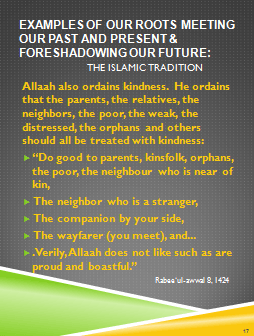
 These mandates are quite similar to ones that we have already mentioned in other faith traditions. The Islamic faith is a major belief system that espouses unconditional love and kindness to even enemies like other major faiths. Today, many would scream that Islam or any other faith system is based on unconditional love because their leaders often espouse war and other forms of violence. Yet, all great books are a search for love, life-meaning, and a constant search for “doing good” to everyone around us. The error of our human nature seems to twist every faith-system where bombing, torturing, and killing are done in the name of love. This absolute and abject contradiction has been woven into all religions in the course of time. In Gentle Teaching we must always recognize that our values must be well safeguarded to avoid any corruption. We must especially safeguard our central value, unconditional love.
Our culture of gentleness has to push against the formidable illogic of hatred defined sometimes as love, consumerism defined as what we deserve, war waged as peace-keeping, and torturing defined as a quest for truth. Each of the world’s religions and humanism itself asks us to to do good to friends and foes alike.
Our world of helping others has a similar struggle—to avoid punishing and diminishing those who are seen as the least among us and, indeed, giving unconditional love. A central part of our culture of gentleness is to give love to those who do not seem to deserve it. It is our ability to give to those who are marginalized that is central to Gentle Teaching. It is our hearts that need to be transformed; it is not about changing someone else’s behaviors.

No comments!
There are no comments yet, but you can be first to comment this article.