

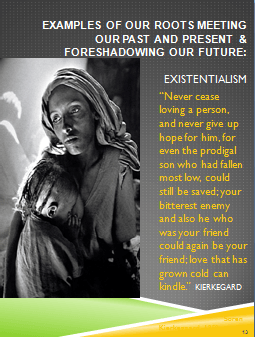
 Love and hope are recurring themes in literature and many writers emphasize that love and hope are for the most marginalized—those who we tend to give up helping, the very violent, the horribly sick, prostitutes, gang members, and the list goes on of those “fallen most low.” This central human need swirls around our relationships with others and this includes our abiding love for our most wasteful children, our bitterest enemies and even our lost loves that have become bitterly cold and frozen. Whether it be religious or philosophical thinkers, history reveals an on-going quest for connectedness, forgiveness, and unconditional love. Yet, recent decades, university study programs and “feel good” religions continue to urge us to base our lives on individualism, our pursuit of rewards, especially those found in material things, and life based on “the self.”
Gentle Teaching asks us to return to the teachings of old and focus our lives on others, our children, spouses, partners, extended family, and the surrounding community in an experience of re-kindling loves lost. In Gentle Teaching we urge caregivers to always have hope, never give up, and find thousands of way to express unconditional love for the “lowest” among us. If we can kindle love for those who are filled with fear, loneliness, and meaninglessness, its warmth will penetrate the most closed of tormented hearts.
Hope is an essential variable in a culture of gentleness. We have to look for hope and regenerate it as much as we can. Much of this regeneration can come from those we feel safe with including our community of caring.

No comments!
There are no comments yet, but you can be first to comment this article.